The Ultimate Guide to Big Island Manta Ray Snorkeling in November
November is an exciting time to plan a trip to Hawaii’s Big Island. As the islands transition into the winter season, visitors can still enjoy warm ocean temperatures, beautiful coastal scenery, and unforgettable marine wildlife experiences.
One experience worth adding to your itinerary is a Kona manta ray night snorkel.
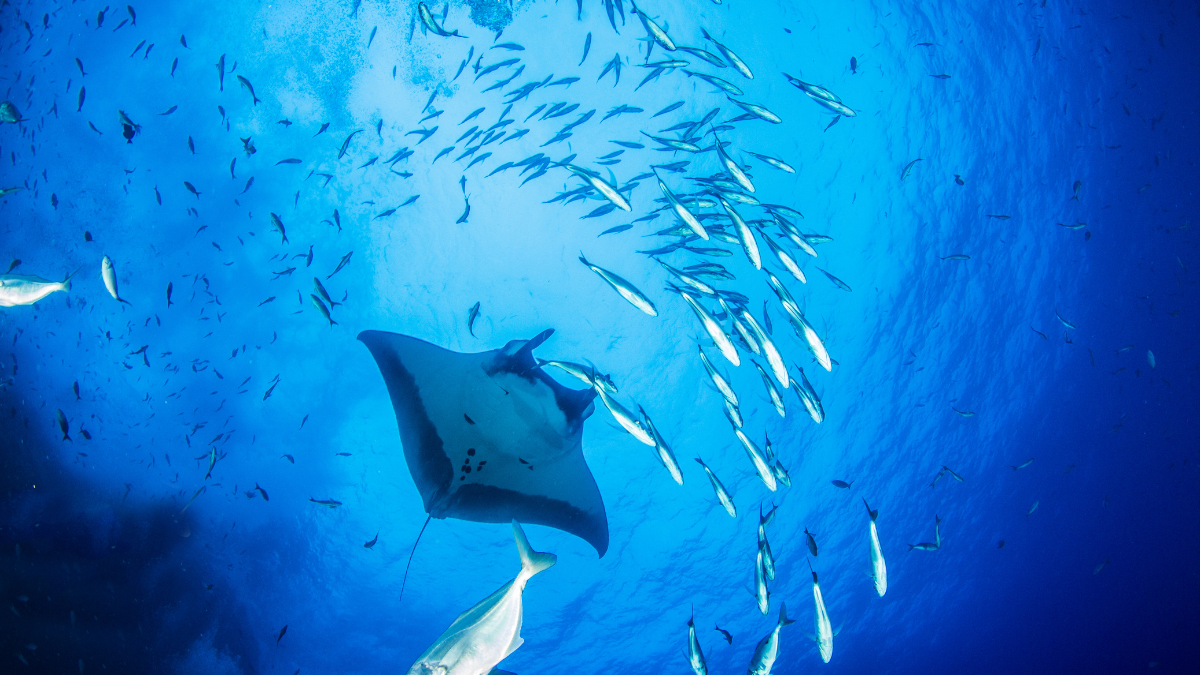
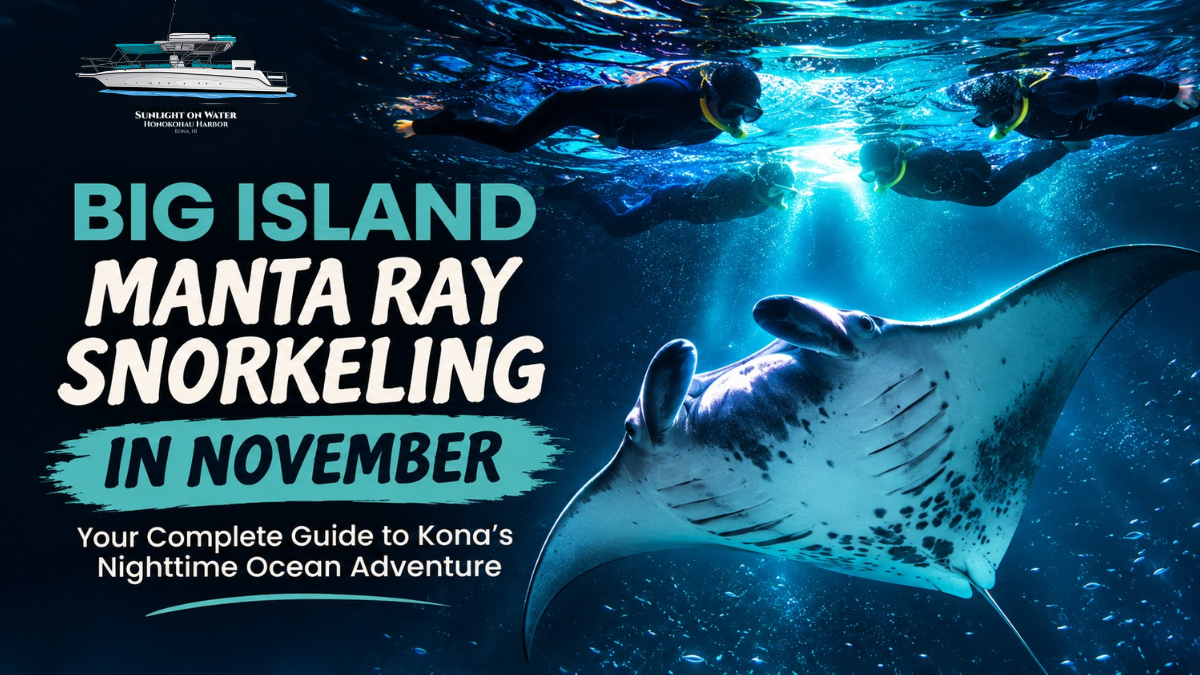
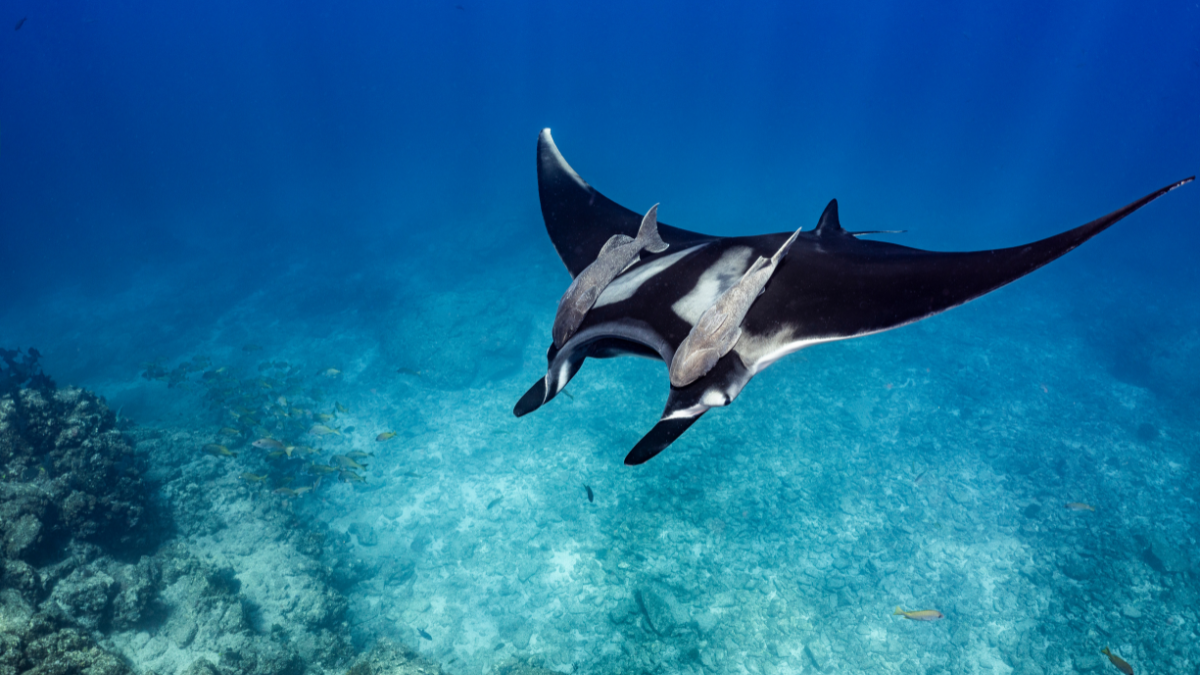
Imagine floating in the Pacific after sunset as underwater lights illuminate the ocean below. Suddenly, a giant manta ray glides into view, moving gracefully through the water as it feeds on tiny plankton.
It’s an extraordinary wildlife encounter, and November can be a wonderful time to experience it.
Whether you’re planning a Thanksgiving getaway or a late-fall vacation, here’s what to know before booking your Big Island manta ray snorkeling adventure in November.
1. Is November a Good Time for Manta Ray Snorkeling on the Big Island?
November can be an excellent time to experience Kona’s manta rays.
Unlike destinations where marine wildlife experiences are limited to a particular season, Kona is known for its recurring manta ray activity throughout the year.
Manta rays visit established feeding areas along the Kona coast, where underwater lights attract plankton. These feeding opportunities can bring manta rays close to the surface, allowing guests to observe them from designated viewing areas.
November also offers a transition between Hawaii’s summer and winter travel seasons.
Visitors may find a different atmosphere from the busiest summer travel period, although Thanksgiving week and the approaching December holidays can bring increased demand.
If a manta ray night snorkel is on your vacation wish list, booking ahead is still a good idea.
2. What Is the Ocean Temperature in November?
One of the advantages of visiting Hawaii in November is that the ocean generally remains comfortable for water activities.
Water temperatures around the Big Island can vary with location, weather, and ocean conditions. The November planning estimate of approximately 78°F (25°C) provides a useful expectation, but actual temperatures may be warmer or cooler.
Hawaii’s official tourism information notes that nearshore ocean temperatures remain relatively comfortable throughout the year, with seasonal variation. Go Hawaii’s weather and ocean conditions guide provides additional information about the islands’ climate and water temperatures.
For an evening manta ray snorkel, remember that comfort is not determined by water temperature alone.
After leaving the water, the evening breeze can make you feel cooler, particularly when you’re wet. Bringing a towel and dry clothing, along with a light sweatshirt or jacket, can make the return boat ride more comfortable.
3. Understanding November’s Ocean Conditions
November marks the beginning of Hawaii’s winter season, which generally runs from November through April.
During this period, powerful Pacific storms can generate large north swells that affect exposed north-facing shorelines. Some west-facing areas can also experience surf from north swells wrapping around the islands.
However, ocean conditions are not the same everywhere.
The Kona coast is on the Big Island’s leeward side, and its conditions can differ considerably from those on the exposed northern and eastern shores.
This is important when planning a boat tour.
A rough ocean report for one part of the island does not automatically mean every coastal area will have the same conditions. Captains and crews evaluate the conditions in the areas where their tours operate and make decisions based on safety.
For more information, visitors can consult the Hawaii Ocean Safety guide to seasonal surf conditions.
4. Why November Offers an Interesting Travel Window
November sits between the summer vacation season and the major December holiday period.
For travelers who prefer a more relaxed vacation atmosphere, this can be an appealing time to visit.
You can enjoy the Big Island’s beaches, coffee farms, scenic coastline, and ocean adventures without necessarily experiencing the same travel patterns as the busiest summer weeks.
However, November is not uniformly quiet. Thanksgiving brings its own holiday travel demand, so visitors planning to arrive around that week should arrange popular activities in advance.
A good strategy is to schedule your manta ray experience early in your stay. That gives you more flexibility if weather or ocean conditions require a change to your plans.
5. What Happens During a Kona Manta Ray Night Snorkel?
A manta ray night snorkel is very different from a typical daytime snorkeling trip.
Instead of swimming around a reef searching for fish, guests gather at a designated viewing area and use flotation equipment while observing the illuminated water below.
Underwater lights attract plankton, which manta rays feed on.
When manta rays arrive, guests can watch them glide through the water, sometimes making graceful turns and repeated passes beneath the viewing area.
The experience is about observing their natural feeding behavior rather than chasing or interacting with the animals.
Guests should follow the crew’s instructions, remain in their designated positions, and avoid touching or attempting to handle the manta rays.
6. What Should You Bring for a November Manta Tour?
Preparing for an evening on the water can make your experience much more comfortable.
Consider bringing:
- Swimsuit: Wear your swimsuit under your clothing if instructed by the tour operator.
- Towel: Bring a towel for drying off after the snorkel.
- Dry clothing: Have something comfortable to change into after getting out of the water.
- Light jacket or sweatshirt: Evening breezes can feel cool after snorkeling.
- Personal essentials: Bring any necessary medication or personal items and follow the operator’s instructions.
Sunlight on Water lists snorkel equipment, flotation, optional wetsuits, dry storage, snacks, and hot and cold beverages among the amenities for its manta ray snorkel experience.
You can review the current tour details here: Sunlight on Water’s Sunset Manta Ray Snorkel in Kona.
7. How to Plan Your Manta Ray Experience
A little planning can make your November vacation easier.
Here are a few suggestions:
Book your tour early. November can include both quieter travel periods and busy holiday dates. Reserve your preferred experience ahead of time, particularly if you’re visiting during Thanksgiving week.
Schedule the tour early in your vacation. This gives you more flexibility if changing ocean or weather conditions affect the original schedule.
Check the weather and ocean conditions. Conditions can change, so follow the operator’s updates and instructions before departure.
Leave room in your itinerary. Avoid scheduling too many activities immediately before or after your manta tour. Give yourself time to enjoy the experience without rushing.
Listen to your crew. Your captain and guides are familiar with the local ocean environment and can explain the conditions and safety procedures for the evening.
8. Why Choose Sunlight on Water for Your Kona Manta Experience?
Choosing an experienced local operator is an important part of planning an ocean adventure.
Sunlight on Water offers a Sunset Manta Ray Snorkel in Kona, giving guests the opportunity to experience the nighttime ocean and observe manta rays in their natural feeding environment.
The tour includes snorkel equipment, flotation, optional wetsuits, dry storage, and an in-water guide. The vessel also has a bathroom, shade canopy, and warm freshwater shower.
The crew’s role is to guide guests through the experience, explain the procedures, and help everyone understand how to observe the manta rays responsibly.
For travelers visiting the Big Island in November, it can be a memorable addition to a late-fall vacation.
Make Your November Big Island Trip Unforgettable
November is a wonderful opportunity to experience another side of Hawaii.
You can enjoy the warm Pacific, explore the Kona coastline, and spend an evening observing some of the ocean’s most impressive marine animals.
A manta ray night snorkel is more than another activity to add to your itinerary. It’s an opportunity to experience the ocean after sunset and witness the natural feeding behavior of these gentle giants.
Ready to plan your adventure?
Explore Sunlight on Water’s Sunset Manta Ray Snorkel in Kona and discover what makes a nighttime manta encounter one of the Big Island’s most memorable ocean experiences.
Planning a November visit to the Big Island?
Book your Kona manta ray snorkeling experience with Sunlight on Water and make your Hawaii vacation even more unforgettable.


