What to Expect on a Big Island Manta Ray Night Snorkel in November
A nighttime snorkeling adventure with manta rays is one of the most memorable experiences you can add to a Big Island vacation. As the sun sets over the Kona coast, the ocean takes on a completely different atmosphere. Underwater lights illuminate the water, plankton gathers around the light source, and manta rays may arrive to feed.
November is an exciting time to plan this experience. The ocean generally remains comfortable for swimming, while the changing season makes it especially important to prepare for evening breezes and varying ocean conditions.
If you’re considering a Kona manta ray night snorkel during your November vacation, knowing what happens before, during, and after the tour can help you feel more comfortable and ready for the adventure.
Here’s what to expect.
1. Before the Tour: Getting Ready for Your Manta Experience
Your experience begins before the boat leaves the harbor.
Once you’ve booked your tour, review the confirmation details carefully. Check your departure time, meeting location, and any instructions provided by the operator.
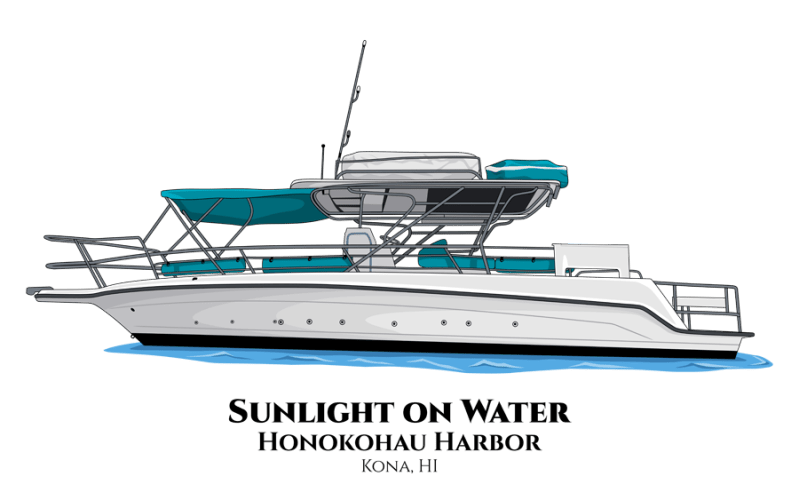
For Sunlight on Water, guests check in at the boat at Slip G-18 at Honokohau Harbor in Kailua-Kona. The operator requests that guests arrive approximately 30 minutes before departure.
You can find the location and additional details on the Sunlight on Water contact page.
Arriving on time gives you an opportunity to get settled, meet the crew, and listen to the safety briefing without feeling rushed.
It’s also a good idea to wear comfortable clothing and bring your swimsuit underneath if you plan to snorkel.
2. Enjoy the Kona Sunset Before Entering the Water
One of the special parts of a manta ray night snorkel is that the experience often begins with a beautiful Hawaiian sunset.
As the boat travels along the Kona coastline, you’ll have an opportunity to enjoy the changing colors of the sky and the open Pacific.
November evenings can be especially enjoyable on the water, but conditions vary. A light jacket or sweatshirt is worth bringing because the breeze may feel cooler as the sun disappears.
Take a moment to enjoy the boat ride. The manta encounter is the highlight of the tour, but the sunset and views of the Kona coast are part of the overall experience.
3. How Does the Manta Ray Night Snorkel Work?
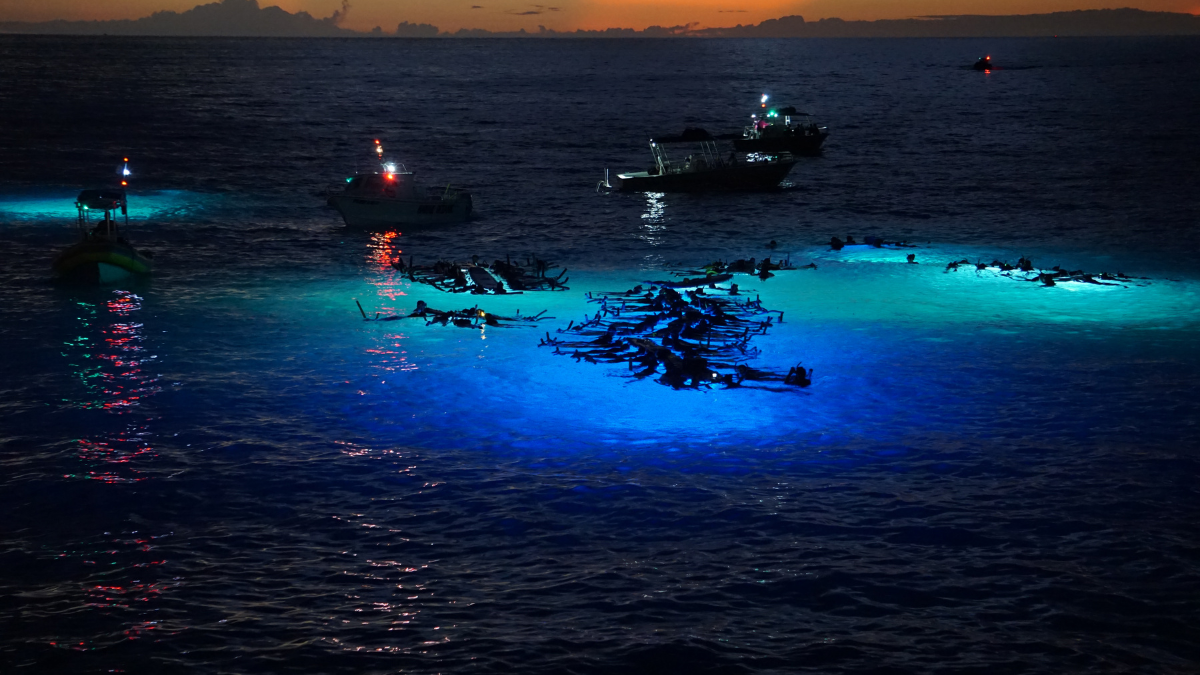
Unlike a typical daytime snorkeling trip, a manta ray night snorkel takes place after sunset at a designated viewing area.
Once the boat reaches the location, guests receive instructions from the crew before entering the water.
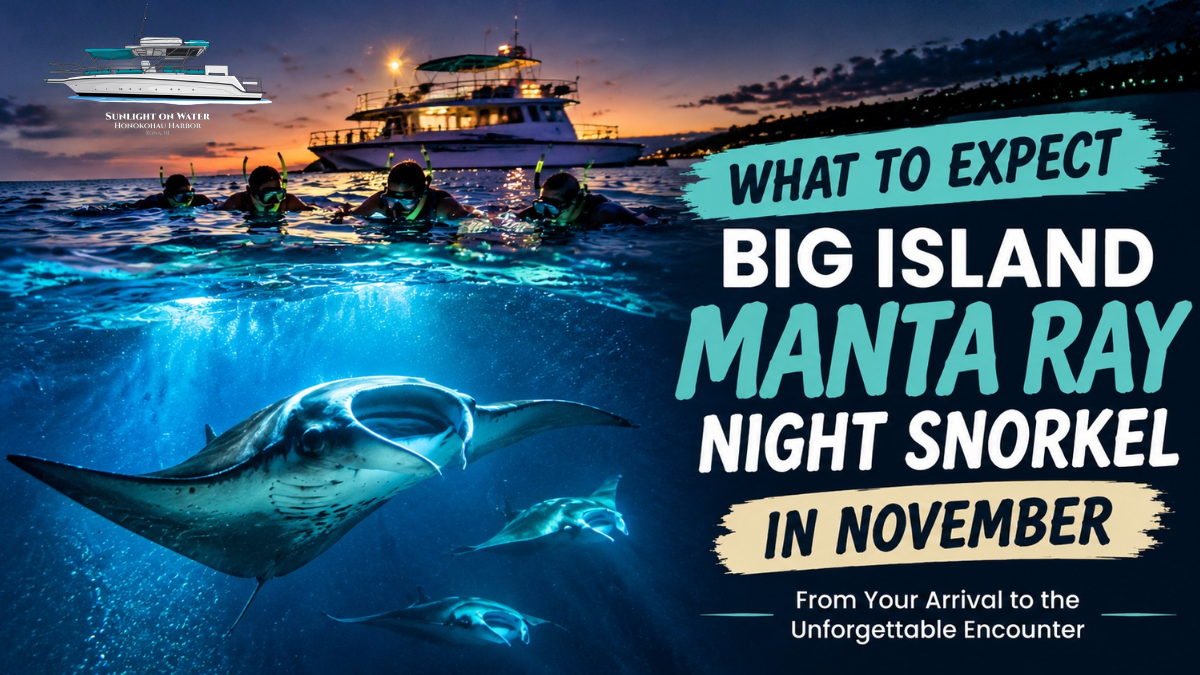
The viewing setup generally involves a floating board or flotation support with underwater lights. Guests hold onto the support and look down into the illuminated water.
The lights attract microscopic plankton, which manta rays feed on.
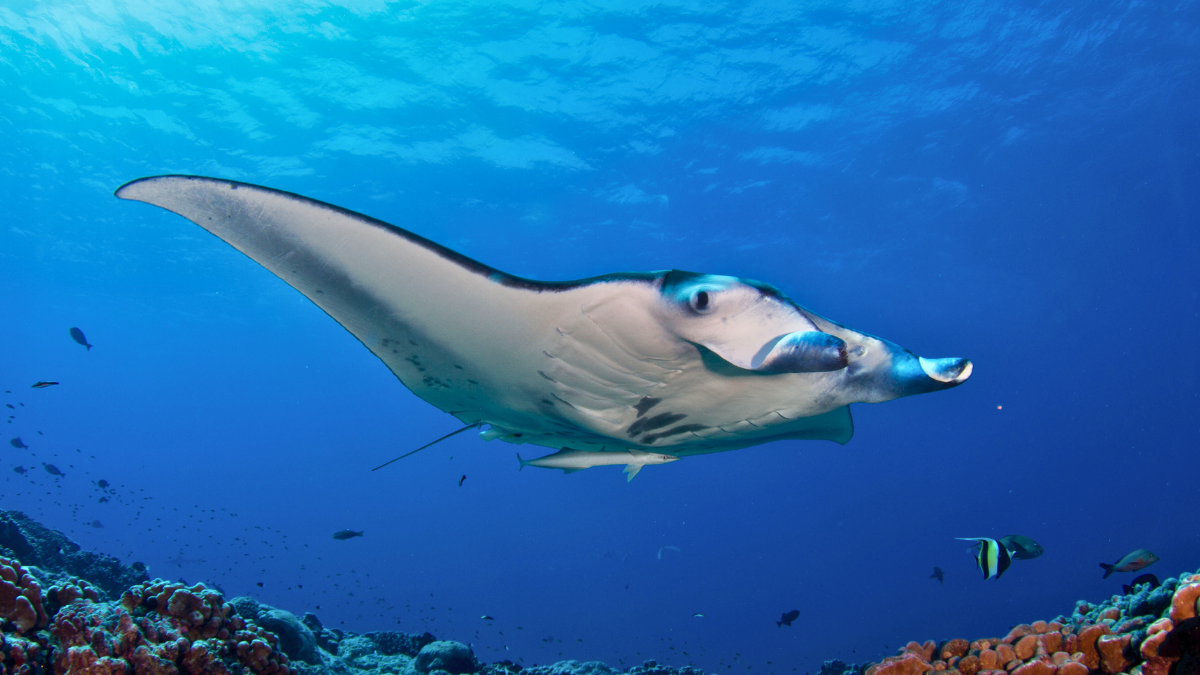
When manta rays visit the area, guests can observe them gliding beneath the surface as they filter-feed on the plankton.
You don’t need to chase the animals or swim around searching for them. The goal is to remain in the designated viewing position and allow the manta rays to move naturally through the area.
4. Do You Need to Be an Experienced Snorkeler?
You don’t need to be an expert snorkeler to appreciate the experience.
The flotation equipment helps guests remain supported while observing the activity below. An in-water guide also helps explain the experience and provides instructions throughout the tour.
However, guests should still be comfortable with the water entry, wearing snorkeling equipment, and following the crew’s safety directions.
If you’re nervous about nighttime swimming, let the crew know before entering the water. They can explain the setup and help you understand what to expect.
If you have medical conditions, mobility limitations, or concerns about participating, contact the operator before booking so you can discuss whether the activity is appropriate.
5. What Is It Like When a Manta Ray Appears?
This is the moment many guests look forward to.
At first, you may see only the illuminated water beneath you. Then a large shadow moves into view.
A manta ray may glide toward the light, open its wide mouth, and make a graceful turn as it feeds on plankton.
Sometimes, a manta ray may make repeated passes through the viewing area. Other times, the encounter may be brief.
Every outing is different because these are wild animals following their natural feeding behavior.
The best thing to do is remain calm, stay in your designated position, and enjoy watching the manta rays move through the water.
Remember not to touch, chase, or attempt to ride the animals. Respectful observation helps protect their natural behavior.
6. What Should You Bring for a November Night Snorkel?
November water temperatures around Kona are generally comfortable, but the evening air can feel cooler after sunset, especially when you’re wet.
Packing a few simple items can make a difference.
Bring these essentials:
- Towel: Useful for drying off after leaving the water.
- Dry clothing: Bring a comfortable change of clothes for the return trip.
- Light sweatshirt or jacket: Helpful when the evening breeze picks up.
- Swimsuit: Wear it before boarding if recommended by the operator.
- Personal essentials: Bring any medication or necessary personal items and inform the crew of relevant medical or mobility concerns.
Sunlight on Water provides snorkel gear, flotation equipment, optional wetsuits, dry storage, snacks, and hot and cold beverages for its manta ray snorkel experience.
You can review the current tour inclusions and packing recommendations on the Sunlight on Water Sunset Manta Ray Snorkel page.
7. How Can November Weather Affect Your Tour?
November marks the beginning of Hawaii’s winter surf season.
North Pacific storms can generate large swells that affect exposed shorelines, particularly along the north and west-facing coasts. However, conditions can vary significantly depending on the location.
The Kona coast is on the leeward side of the Big Island, so it may experience different conditions from the exposed north-facing shores.
That doesn’t mean every November evening will have calm water. Wind, swell direction, local weather, and other ocean conditions can still affect a tour.
Captains and crews assess conditions before departure and determine whether it is appropriate to operate.
If conditions are unsuitable, the operator may adjust plans or cancel the trip according to its policies.
For visitors who want to understand Hawaii’s seasonal ocean patterns, the Hawaii Ocean Safety guide to surf seasons is a useful resource.
8. What Happens After the Snorkel?
After the in-water experience, guests return to the boat and prepare for the ride back to the harbor.
This is when your towel, dry clothing, and sweatshirt become especially useful.
Sunlight on Water’s manta tour vessel includes dry storage, a bathroom, and a warm freshwater shower. These amenities can make the return portion of the experience more comfortable.
You can dry off, change into warmer clothing, and relax while enjoying the boat ride back.
The tour is approximately three hours, although departure and return times can vary with the sunset schedule and operating conditions.
9. What If You Don’t See Manta Rays?
Manta rays are wild animals, so sightings cannot be guaranteed.
Kona is well known for its recurring manta ray activity, but individual animals decide when and where they feed. Their movements can vary depending on food availability, environmental conditions, and other natural factors.
A responsible tour operator will not force an encounter or interfere with the animals to produce a sighting.
It’s best to approach the experience with realistic expectations. Enjoy the sunset, the ocean environment, and the opportunity to learn about Hawaii’s marine wildlife.
If manta rays appear, it’s an incredible bonus to an already memorable evening.
10. Make the Most of Your November Manta Ray Adventure
A little preparation can help you enjoy the experience from beginning to end.
Here are a few final suggestions:
- Book ahead: November includes Thanksgiving travel dates, so popular tour times may fill up.
- Check your confirmation: Review the meeting location and arrival instructions before leaving your accommodation.
- Pack for the return trip: A towel and dry clothing can make the evening more comfortable.
- Follow the crew’s guidance: Listen carefully to the safety briefing and instructions before entering the water.
- Stay flexible: Ocean conditions can change, so allow some flexibility in your vacation schedule.
- Respect the wildlife: Observe manta rays without touching, chasing, or interfering with their movements.
The experience is about more than getting into the water. It’s about enjoying the Kona coastline, learning about marine wildlife, and witnessing one of Hawaii’s most remarkable nighttime ocean encounters.
Experience the Magic of Kona After Sunset
A Big Island manta ray night snorkel is an unforgettable way to experience Hawaii’s ocean after dark.
From the sunset boat ride to the illuminated viewing area, every part of the evening offers something different. November visitors can enjoy this experience while taking in the beauty of the Kona coast and the unique marine life that calls these waters home.
If you’re planning a November vacation, consider adding this nighttime adventure to your itinerary.
Explore the Sunlight on Water Sunset Manta Ray Snorkel in Kona and get ready to experience the magic of Hawaii’s gentle giants.
Ready for a nighttime ocean adventure?
Book your Kona manta ray night snorkel with Sunlight on Water and make your November Big Island getaway one to remember.


