Winter Swells in Kona: What Ocean Tour Visitors Should Know
Hawaii is known for its beautiful beaches, warm ocean water, and opportunities to explore the Pacific. But as November arrives, the islands begin transitioning into winter swell season, bringing changing ocean conditions to many shorelines.
For visitors planning a snorkeling trip, manta ray experience, or boat excursion along the Kona Coast, understanding these seasonal changes can help set realistic expectations.
Winter does not mean that every part of Hawaii experiences rough water at the same time. Ocean conditions vary depending on the coastline, swell direction, wind, and local weather. While some north-facing shores experience powerful winter waves, conditions along the Kona Coast can be different.
If you’re planning a Kona ocean adventure between November and April, here’s what you should know about winter swells and how they can affect your experience.
When Does Winter Swell Season Begin in Hawaii?
Hawaii generally has two seasons:
- Summer: May through October
- Winter: November through April
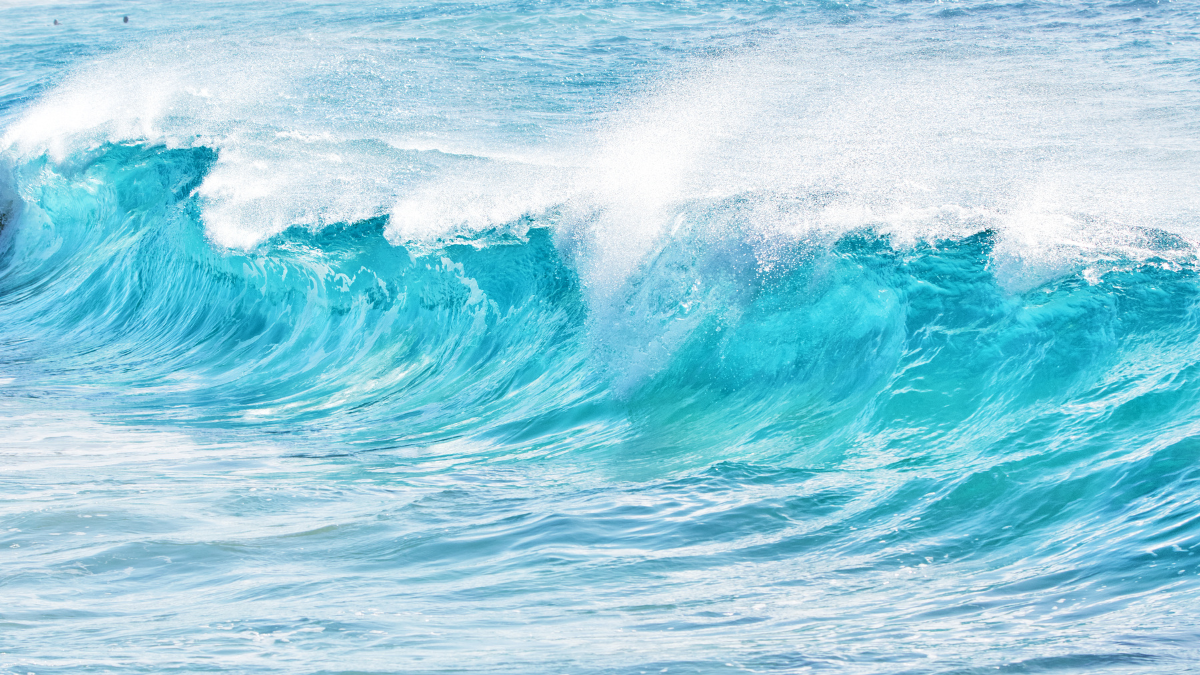
During winter, powerful storms in the North Pacific generate large ocean swells that travel toward the Hawaiian Islands. These swells can create the dramatic waves Hawaii is famous for, particularly along north-facing shorelines.
November marks the beginning of this seasonal transition. However, winter swell activity does not arrive on a fixed schedule. Some days may have relatively gentle ocean conditions, while other periods can bring significantly larger waves.
The timing, size, and direction of individual swells depend on weather systems across the Pacific.
For visitors, the most important point is that ocean conditions can change throughout the season. A beach or coastal area that looks calm one day may experience different conditions when a new swell arrives.
Why Do Winter Swells Affect Hawaii’s Coastlines Differently?
One of the most important things to understand about Hawaii’s ocean conditions is that not every coastline faces the same direction.
The islands have north-, south-, east-, and west-facing shores. Each can respond differently to incoming swells, trade winds, and local weather patterns.
North-Facing Shores
North-facing beaches generally experience the most noticeable increase in wave activity during winter.
Large swells generated by North Pacific storms travel toward these shorelines, sometimes producing powerful surf and strong currents.
These conditions attract experienced surfers, but they can also create hazardous swimming and snorkeling conditions. Visitors should pay close attention to posted warnings and avoid entering the water when high-surf advisories or other safety notices are in effect.
West-Facing Shores
West-facing coastlines can also experience winter swell activity.
Although they may be less directly exposed to some north swells, waves can wrap around the islands and affect western shorelines. This is particularly important for visitors who assume that a leeward coastline is automatically protected from rough ocean conditions.
The Kona Coast is on the western side of the Big Island. Its location can offer different conditions from the exposed north-facing shores, but it does not make the area immune to changing surf and sea conditions.
East-Facing Shores
East-facing shorelines are often influenced by northeast trade winds. These winds can create choppy water and rougher conditions, even when large north swells are not the main concern.
Wind direction and strength can therefore play an important role in determining how comfortable conditions may be along the coast.
South-Facing Shores
South-facing beaches often experience smaller surf during the winter months compared with their summer conditions. However, ocean conditions can still change, and strong currents or other hazards may occur.
The takeaway is simple: Hawaii’s winter ocean conditions are not the same everywhere. Understanding the direction a coastline faces helps explain why different areas can experience different wave conditions on the same day.
How Do Winter Swells Affect the Kona Coast?
Kona is located along the leeward side of the Big Island, which means it is generally sheltered from some of the prevailing northeast trade-wind effects that influence the island’s windward coast.
This geographic setting contributes to Kona’s appeal as a destination for ocean activities throughout the year.
However, being on the leeward side does not guarantee calm water.
North and northwest swells can wrap around parts of the island and affect west-facing areas. Local wind conditions, changing weather, and the shape of the coastline can also influence the water.
For visitors planning a Kona boat tour, this means that conditions should be evaluated based on the actual location and time of the activity rather than assumptions about the season or the weather on shore.
Winter Swells Can Affect More Than Wave Height
When people think about ocean conditions, they often focus only on how tall the waves look.
But wave height is just one part of the picture. Other factors can influence the experience on the water, including:
- Swell direction: The direction from which waves approach can affect how exposed a particular coastline or location may be.
- Wave period: The time between successive waves can influence how ocean energy reaches the shore and interacts with coastal areas.
- Wind: Strong or changing winds can create additional surface chop and affect boat conditions.
- Currents: Ocean currents can influence water movement and may create challenging conditions for swimmers and snorkelers.
- Local geography: Reefs, bays, headlands, and the shape of the coastline can affect how waves move through an area.
These factors help explain why two locations along the same coast may not experience identical conditions.
What Does Winter Swell Season Mean for Kona Ocean Tours?
For visitors, winter swell season does not automatically mean that Kona ocean tours stop operating or that every day will bring rough water.
It means that ocean conditions become an important part of planning any activity on the water.
A snorkeling trip, manta ray experience, sunset cruise, or wildlife tour takes place in a natural environment. Conditions can change between the time a reservation is made and the scheduled departure.
That is why tour operators monitor weather and ocean conditions and make decisions based on the circumstances at the time of the trip.
For guests, the best approach is to remain flexible, follow the operator’s instructions, and understand that safety takes priority over maintaining a planned schedule.
Manta Ray Night Snorkeling
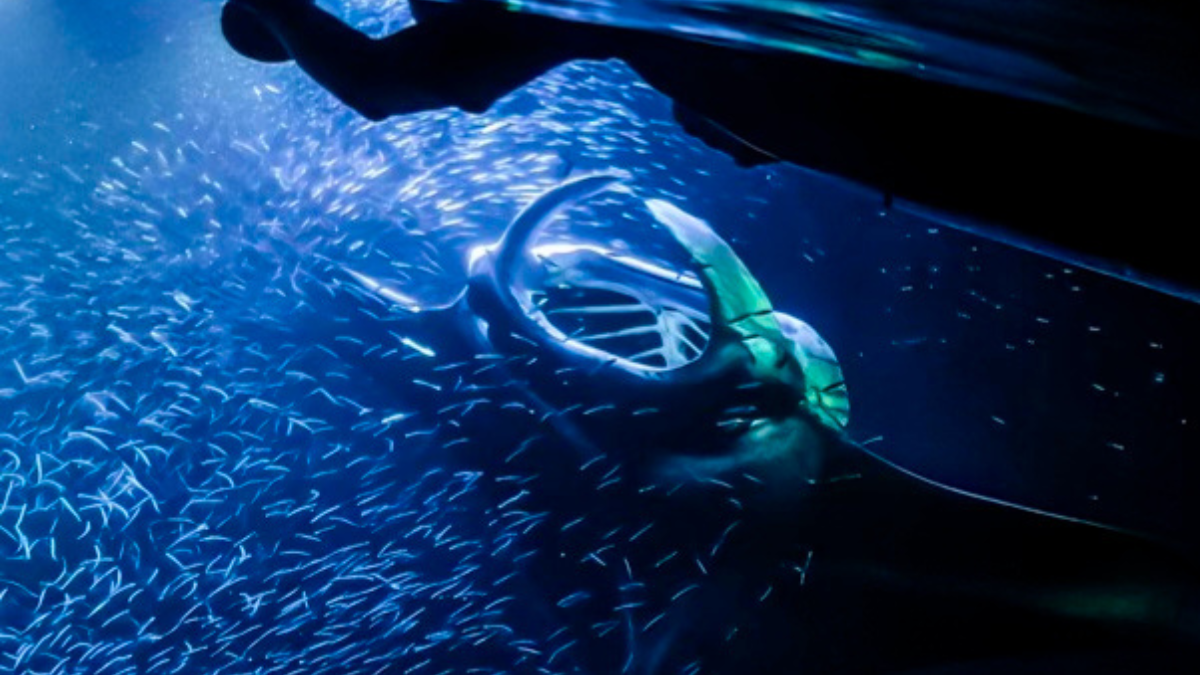
Kona’s manta ray night snorkel is one of the area’s best-known ocean experiences. Visitors enter the water with guidance from the crew and use flotation equipment while observing the illuminated viewing area.
Because the experience takes place in the ocean after sunset, conditions such as wind, waves, and water movement are important considerations.
A winter-season reservation does not guarantee that a tour will operate as originally scheduled. The crew must consider the actual conditions before taking guests out.
You can learn more about the Sunlight on Water Sunset Manta Ray Snorkel and what is included in the experience.
Sunset Cruises and Boat Excursions
Visitors who prefer to remain aboard the boat may also consider a sunset cruise or manta ray watch experience.
These trips still depend on suitable ocean and weather conditions. Even without entering the water, guests should understand that wind and waves can affect the comfort and operation of a boat excursion.
Explore the Sunlight on Water Sunset Cruise + Manta Ray Watch to learn more about this boat-based experience.
How Can Visitors Stay Informed About Ocean Conditions?
Checking the weather forecast is a helpful starting point, but visitors should also understand that a general land forecast does not tell the whole story about ocean conditions.
A sunny day does not necessarily mean the water is calm. Likewise, cloudy weather does not automatically mean that every ocean activity will be unsuitable.
For more useful information, consider these resources:
- Hawaii Ocean Safety – Surf Seasons
The Hawaii Ocean Safety guide to Hawaii’s surf seasons explains how seasonal wave patterns affect different coastlines and why winter conditions can be hazardous at exposed beaches.
- National Weather Service – Hawaii Marine Forecasts
The National Weather Service marine forecast page provides coastal marine forecasts for different areas around Hawaii, including Big Island windward, leeward, and southeast waters.
These forecasts include information about wind, seas, and wave conditions.
- Go Hawaii – Weather and Ocean Conditions
The Go Hawaii weather guide offers an overview of Hawaii’s seasonal weather patterns, water temperatures, and differences between coastal conditions.
These resources can help visitors better understand the conditions they may encounter, but they do not replace the judgment of a qualified tour operator or the latest local safety instructions.
Planning a Kona Ocean Adventure During Winter
Winter can be a rewarding time to visit Kona. The season offers opportunities to enjoy the coastline, explore the island, and experience the ocean in a different way.
If you are planning an ocean activity between November and April, a few simple steps can make your trip easier:
- Book with an experienced local operator. Choose a company that understands the Kona Coast and takes ocean conditions seriously.
- Review your reservation details. Know your check-in location, departure time, and the operator’s weather and cancellation policies.
- Keep your schedule flexible. Avoid placing an important ocean activity at the very end of your trip if you can allow another opportunity in your itinerary.
- Follow all crew instructions. Listen carefully to the safety briefing and follow directions throughout the experience.
- Check conditions before heading out. Review relevant marine forecasts and pay attention to official advisories.
- Understand that plans may change. A responsible operator may adjust or cancel an excursion when conditions are unsuitable.
These steps can help you prepare without assuming that every winter day will bring the same ocean conditions.
Enjoy the Kona Coast with Sunlight on Water
Winter swell season is a natural part of Hawaii’s yearly ocean cycle. While some shorelines experience powerful winter surf, the Kona Coast can have different conditions depending on swell direction, wind, and local weather.
Understanding these seasonal patterns helps visitors plan more thoughtfully and appreciate why ocean conditions should always be evaluated on the day of an activity.
Sunlight on Water offers guided ocean experiences along the Kona Coast, including manta ray night snorkeling, sunset cruises, whale watching, and other ocean adventures.
The company’s 40-foot U.S. Coast Guard-certified vessel includes shaded seating, a restroom, and a warm freshwater shower. Its crew members are Lifeguard and CPR certified, and tour decisions remain subject to actual ocean and weather conditions.
Whether you’re visiting Kona for a winter getaway or planning a seasonal ocean adventure, taking time to understand the conditions can help you make informed .
Ready to explore the Kona Coast?
Visit Sunlight on Water’s tour page to explore available experiences, or contact the team with questions about planning your trip.


