
The Science of the Night Ballet: How Kona’s Manta Ray Feeding Experience Works
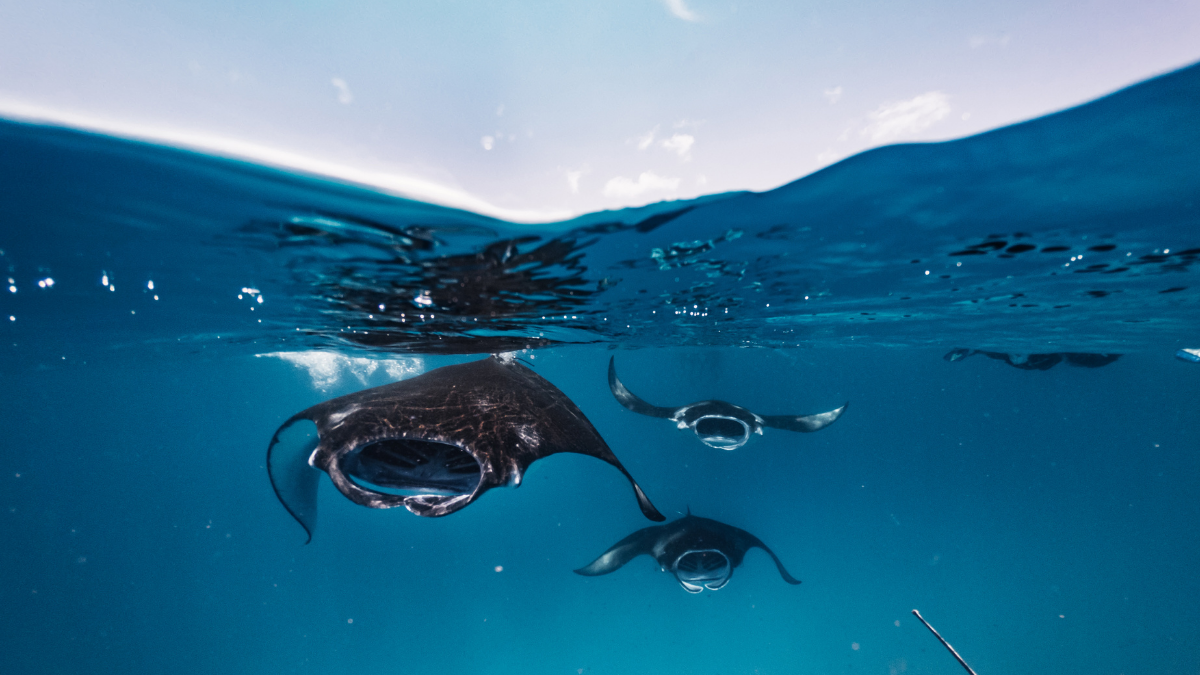
Few wildlife experiences are as mesmerizing as watching a manta ray glide through the darkness beneath the surface of the Pacific.
One moment, the water appears almost completely dark. Then, underwater lights illuminate the ocean, plankton begin gathering near the surface, and enormous manta rays arrive to feed.
The graceful loops, turns, and barrel rolls may look like a choreographed performance, but there is real science behind what you’re seeing.
This nighttime feeding behavior is one of the reasons Kona’s manta ray night snorkel has become such a memorable Big Island experience. Understanding what is happening beneath the surface can make the encounter even more fascinating.
Why Do Manta Rays Come Out at Night?
Manta rays are filter feeders.
Instead of hunting individual fish or other large prey, they consume tiny organisms known collectively as plankton.
At Kona’s established nighttime manta viewing areas, underwater lights are used to illuminate the water. These lights attract microscopic organisms toward the surface, creating a concentrated feeding opportunity.
The manta rays follow the food.
What guests experience as a spectacular nighttime show is actually a natural feeding behavior taking place in the ocean.
How Underwater Lights Create the Manta “Ballet”
The process begins with light.
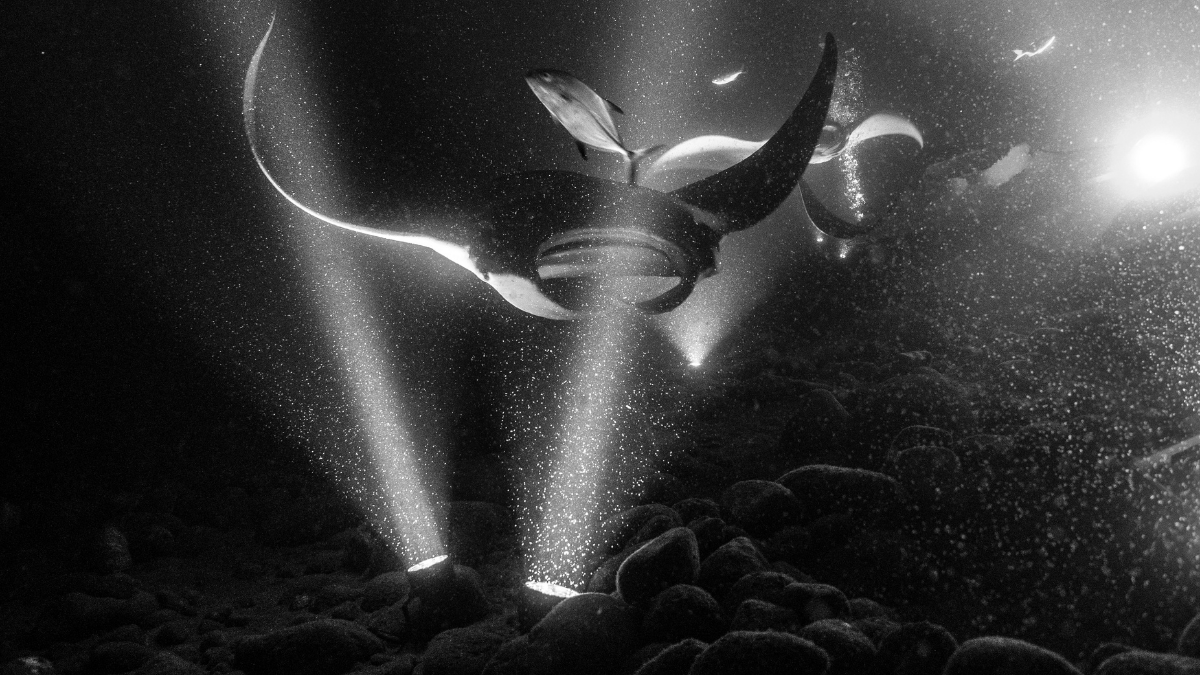
Powerful underwater lights shine upward into the surrounding water. The illuminated area becomes attractive to plankton and other tiny organisms, creating a concentrated food source.
As the plankton accumulates, manta rays may begin moving through the area.
They often swim in large, graceful circles or perform repeated barrel rolls as they filter the water through their mouths.
From above, those movements can look almost choreographed.
But there is no choreography.
The manta rays are simply following the plankton.
Why Do Manta Rays Perform Barrel Rolls?
One of the most recognizable behaviors during a Kona manta encounter is the manta’s barrel roll.
A manta may swim vertically or horizontally through the illuminated water, turning repeatedly as it moves through areas where plankton is concentrated.
This allows the animal to maximize the amount of food passing through its mouth.
For guests floating on the surface, the result is spectacular.
A manta with a wingspan several feet across can suddenly appear beneath you, turn gracefully, and disappear into the darkness before circling back again.
Every encounter is different.
The Manta Rays Aren’t Performing for Tourists
It’s important to remember that the manta rays are wild animals.
They aren’t trained.
They aren’t being fed by the crew.
And they don’t appear simply because guests are in the water.
Their behavior is driven by natural feeding opportunities.
That is why responsible manta ray operators focus on observing the animals rather than interfering with them.
Guests should never:
- Touch a manta ray
- Chase a manta
- Grab or ride one
- Block its movement
- Attempt to force an interaction
The best experience is one where the manta remains completely free to decide where it swims.
Why Kona Is So Special for Manta Ray Encounters
Kona has become one of the world’s best-known destinations for nighttime manta ray viewing because manta rays regularly visit established feeding areas along the coast.
Unlike destinations where travelers have to hope for a rare seasonal encounter, Kona’s manta population can be encountered throughout the year.
That makes the Big Island particularly appealing for travelers who want to include a manta experience in their Hawaii itinerary.
And because the viewing takes place after sunset, it offers a completely different perspective of Hawaii’s ocean environment.
Manta Village vs. Manta Heaven
Two of the best-known manta viewing areas around Kona are Manta Village near Keauhou Bay and Manta Heaven near the airport.
Although both locations are associated with nighttime manta feeding, they aren’t interchangeable from a geographic or operational perspective.
Manta Village is located farther south near Keauhou Bay, while Manta Heaven is located north of Kailua-Kona near the airport.
The appropriate site for a particular evening can depend on factors such as:
- Ocean conditions
- Wind
- Swell
- Water visibility
- Current
- Manta activity
- Departure location
This is one reason local knowledge matters.
The objective isn’t simply to visit a particular site because it’s famous.
It’s to choose the location that makes the most sense for the conditions and the overall guest experience.
Why September Can Be an Excellent Time to Watch the Manta Ballet
September falls into Kona’s late-summer and shoulder-season period.
The ocean remains warm, while the busiest summer travel period begins to taper off.
For travelers, this can create an appealing combination of:
- Warm water
- Comfortable evening conditions
- Potentially calmer ocean conditions
- Fewer peak-season crowds
- Excellent opportunities for nighttime snorkeling
As always, ocean conditions can change from one day to another.
That’s why experienced local crews monitor the conditions rather than assuming that every night will be identical.
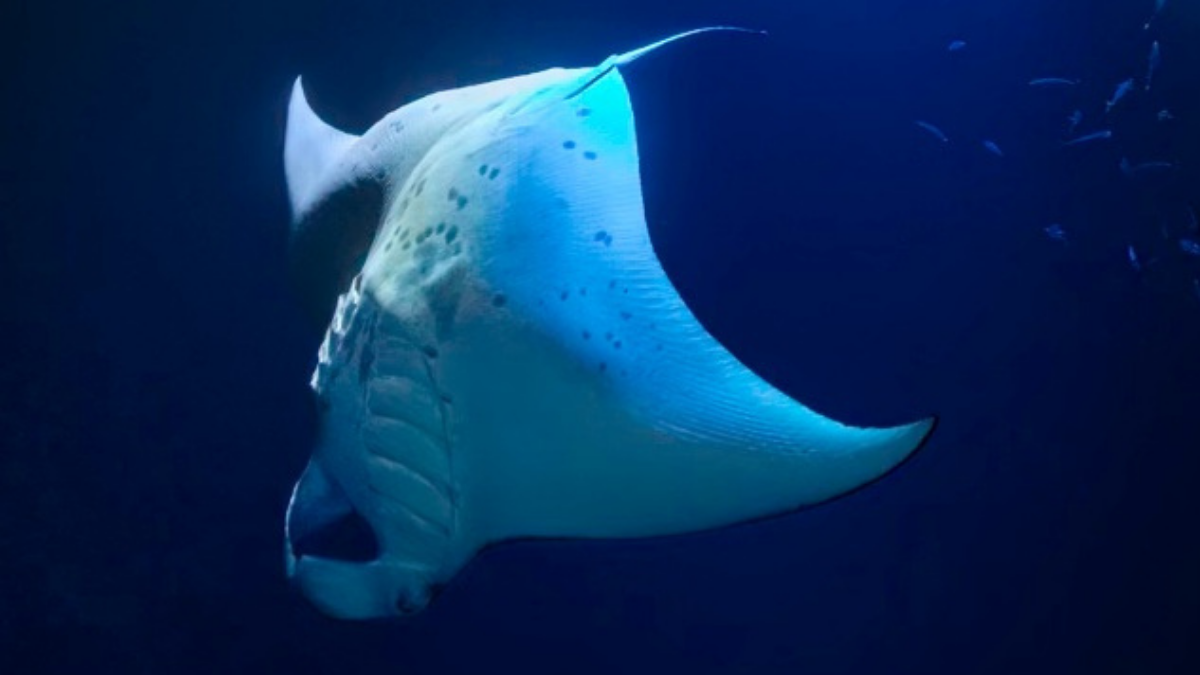
What Guests Actually See Underwater
The experience can be difficult to imagine until you’re actually there.
You enter the water after sunset.
The surrounding ocean is dark, but the illuminated area beneath the boat creates a bright underwater window.
Then a manta appears.
Its enormous wings move slowly as it glides through the light. It may turn onto its side, perform a barrel roll, or swim directly toward the illuminated feeding area before sweeping away again.
Another manta may follow.
Then another.
For a few moments, it can feel as though you’re watching an underwater ballet.
But the science behind the experience is just as fascinating as the spectacle itself.
How to Make the Most of the Experience
You don’t need to be an expert swimmer or marine biologist to appreciate the manta encounter.
The most important thing is to listen carefully to your crew and remain calm in the water.
Once you’re comfortable:
Stay Still
Allow the mantas to come to you rather than trying to swim toward them.
Watch the Light
The illuminated area is where you’ll most likely see the feeding activity.
Look in All Directions
A manta may approach from beneath, beside, or behind you.
Keep Your Hands to Yourself
Never attempt to touch the animals.
Enjoy the Moment
Photography is fun, but don’t spend the entire encounter looking through a camera.
Sometimes the most memorable part is simply watching a manta glide silently through the water.
See the Manta Ballet for Yourself
Want to experience the science and beauty of Kona’s nighttime manta feeding firsthand?
Explore Sunlight on Water’s Sunset Manta Ray experience and discover why Kona’s manta encounter is unlike any other ocean adventure.
Why Choose Sunlight on Water?
Sunlight on Water provides manta ray experiences along with private charters and other Kona ocean adventures.
The company’s approach emphasizes local knowledge, guest comfort, and making decisions based on actual ocean conditions.
Sunlight on Water’s 40-foot vessel provides comfortable seating, shade, a bathroom, freshwater shower, dry storage, and easy access to the water. (sunlightonwater.com)
The crew is also lifeguard and CPR certified, giving guests additional confidence while enjoying the ocean experience. (sunlightonwater.com)
For manta viewing, the company can access both primary manta locations and consider conditions when determining where the experience should take place. (sunlightonwater.com)
The Magic Is in the Science
The next time you see a manta ray glide through the illuminated water, remember what you’re actually watching.
You’re seeing a wild animal responding to a natural food source.
You’re watching plankton gather in the water column.
You’re witnessing a filter feeder using its body and movement to collect food.
And you’re seeing one of Hawaii’s most extraordinary marine animals behaving naturally in its environment.
The “night ballet” may look magical.
But the science behind it is just as impressive.
Kona’s manta ray night snorkel combines marine biology, ocean conditions, and an unforgettable wildlife encounter into one extraordinary experience.
From the plankton gathering beneath the lights to the graceful movements of the manta rays, every part of the encounter tells a story about the ocean.
Experience Kona’s nighttime manta ballet with Sunlight on Water
and see the science come alive beneath the surface.


