How to Take the Perfect Manta Ray Photo (Even at Night)
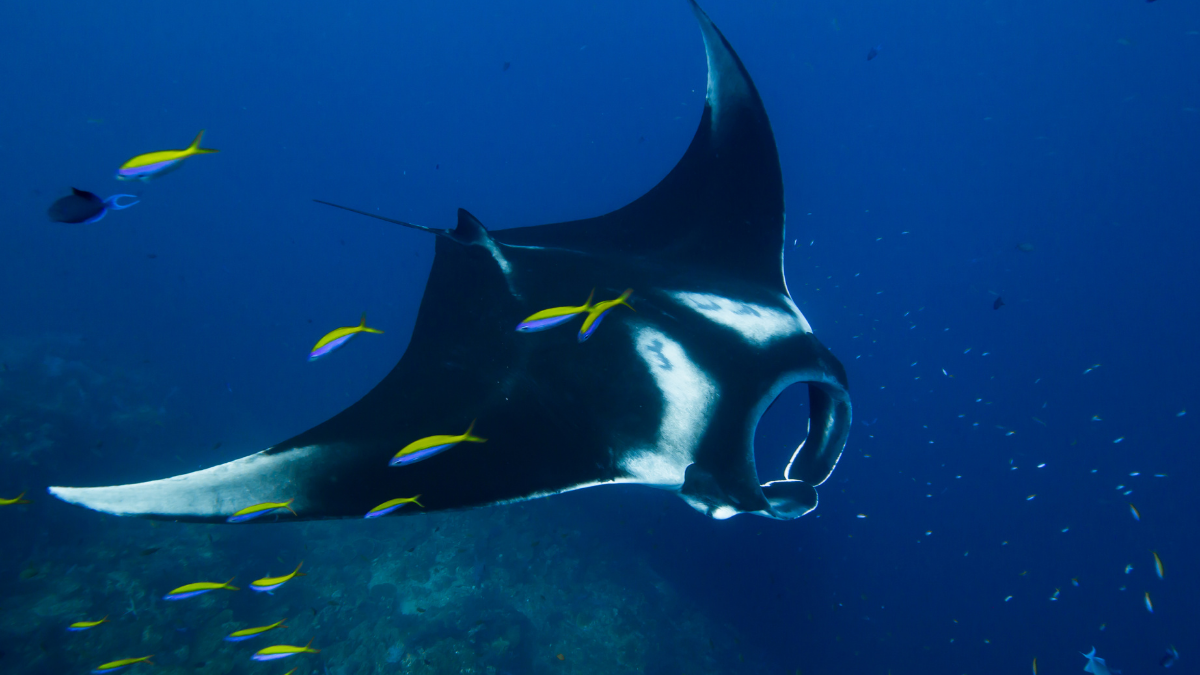
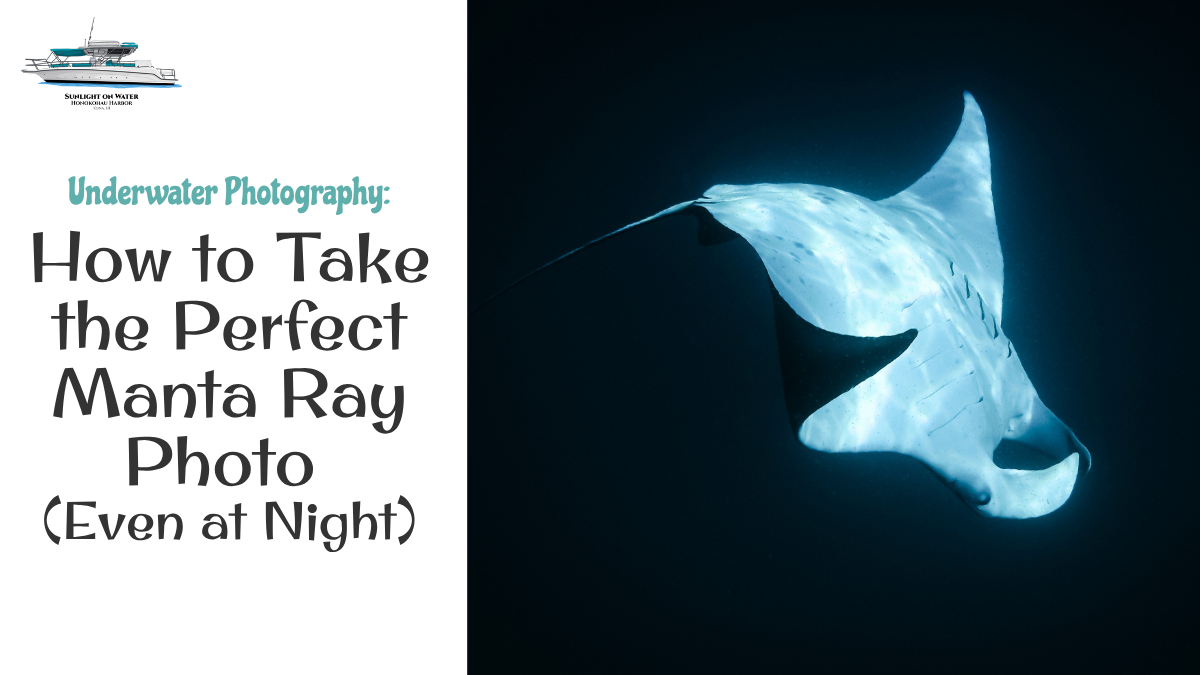
Capturing a photo of a manta ray gliding effortlessly beneath you is one of the most unforgettable souvenirs you can take home from Hawaii. But let’s be honest—nighttime ocean photography isn’t exactly easy.
Between low light, moving water, and fast-moving marine life, getting that perfect shot can feel like a challenge. The good news? With the right approach (and a little help from your crew), you can capture incredible manta moments—even in the dark.
Here’s how to make it happen.
1. Use the Right Camera (or Settings)
Low-light conditions mean your camera choice matters. While professional gear helps, many modern devices can still do a great job with the right setup.
Best options include:
- GoPro (with low-light or night mode enabled)
- Waterproof action cameras
- Smartphones in waterproof cases (with night mode)
Quick tips:
- Turn off flash (it won’t help underwater at night)
- Use wide-angle settings
- Increase ISO if your device allows it
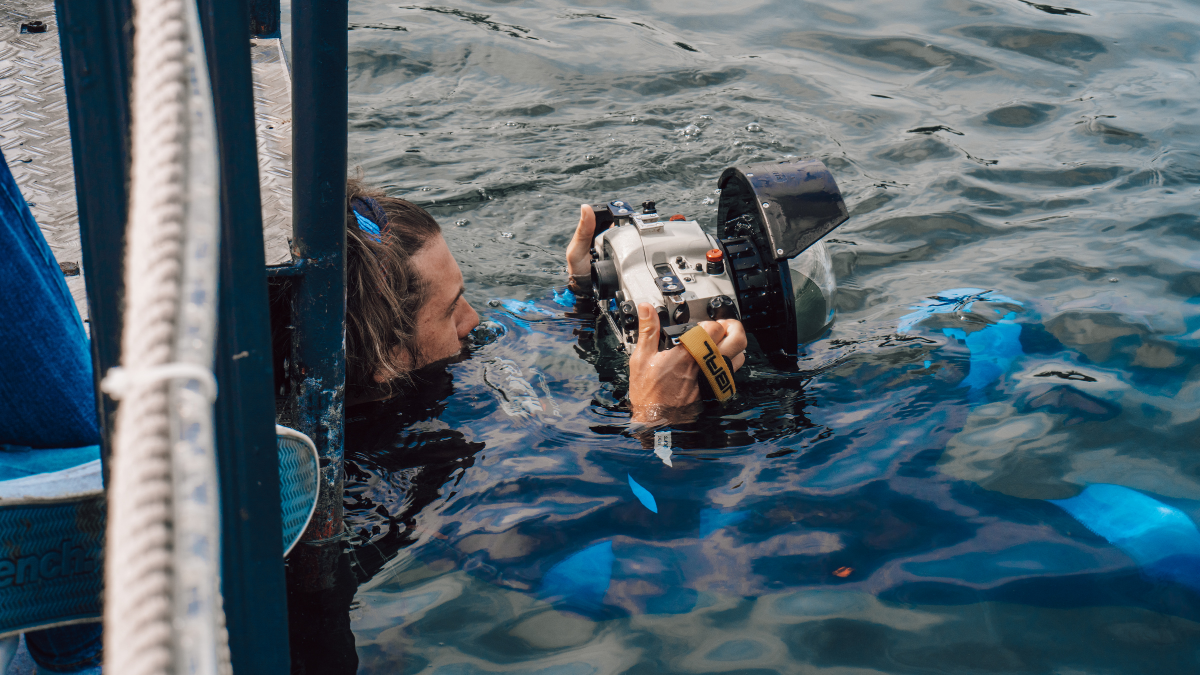
2. Let the Light Do the Work
During manta tours, powerful lights are used to attract plankton, which in turn attracts manta rays. These lights also become your main photography advantage.
Position yourself so the manta rays pass through or toward the light beams. This creates better contrast and visibility in your photos and videos.
Think of it as letting the mantas swim into your spotlight.
3. Stay Still and Be Patient
The clearer your shot, the steadier you are. Sudden movements can blur your footage or scare off the moment.
Instead:
- Hold onto the light board securely
- Keep your camera steady
- Let the manta rays come to you
The best shots often happen when you stop chasing them.
Want to experience—and capture—this incredible moment for yourself? BOOK NOW with Sunlight on Water and get ready for an unforgettable manta encounter.
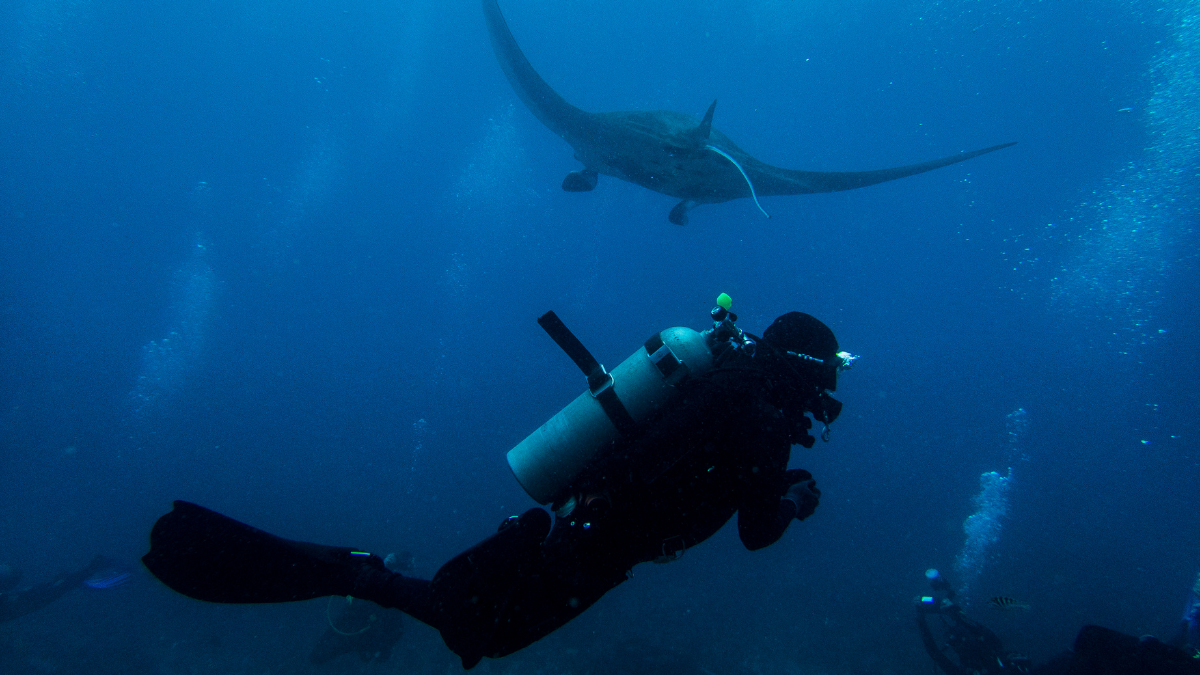
4. Focus on Video First, Photos Second
Here’s a pro tip: video often works better than photos at night.
Instead of trying to snap the perfect picture, record steady video clips and pull still images from the footage later. This increases your chances of capturing that perfect frame—especially when mantas are moving quickly.
5. Position Matters More Than Zoom
Avoid zooming in too much. In low light, zoom can reduce quality and clarity.
Instead:
- Stay in position
- Keep a wide frame
- Let the manta rays glide naturally into view
Because when a 10-foot manta swims inches below you, you won’t need zoom anyway.
6. Trust the Crew for the Best Spots
Experienced crews know how to position guests for the best viewing—and the best photo opportunities.
With Sunlight on Water, guides help ensure:
- Proper placement near lighting
- Safe and respectful distance from mantas
- The best angle for visibility and experience
Sometimes the best photography tip is simply being in the right place at the right time.
What Guests Are Saying
“I couldn’t believe the footage we got. The mantas came so close, and the lighting made everything look incredible—even on my GoPro.”
Why Choose Sunlight on Water
While many travelers compare tours from Hawaii Oceanic, Sea Paradise, and Sea Quest Hawaii, Sunlight on Water focuses on creating an experience where every guest has the opportunity to fully enjoy—and capture—the moment.
From expert positioning to a relaxed, well-paced tour, everything is designed to help you make the most of your time in the water.
Capture Your Manta Moment
Don’t just remember it—capture it. BOOK NOW with Sunlight on Water and bring home incredible manta ray memories from Kona.


