Meeting the Gentle Giants of the Sea: Manta Rays & the Night Swim
There is something unforgettable about entering the ocean after sunset and looking down to see a manta ray gliding through the water beneath you.
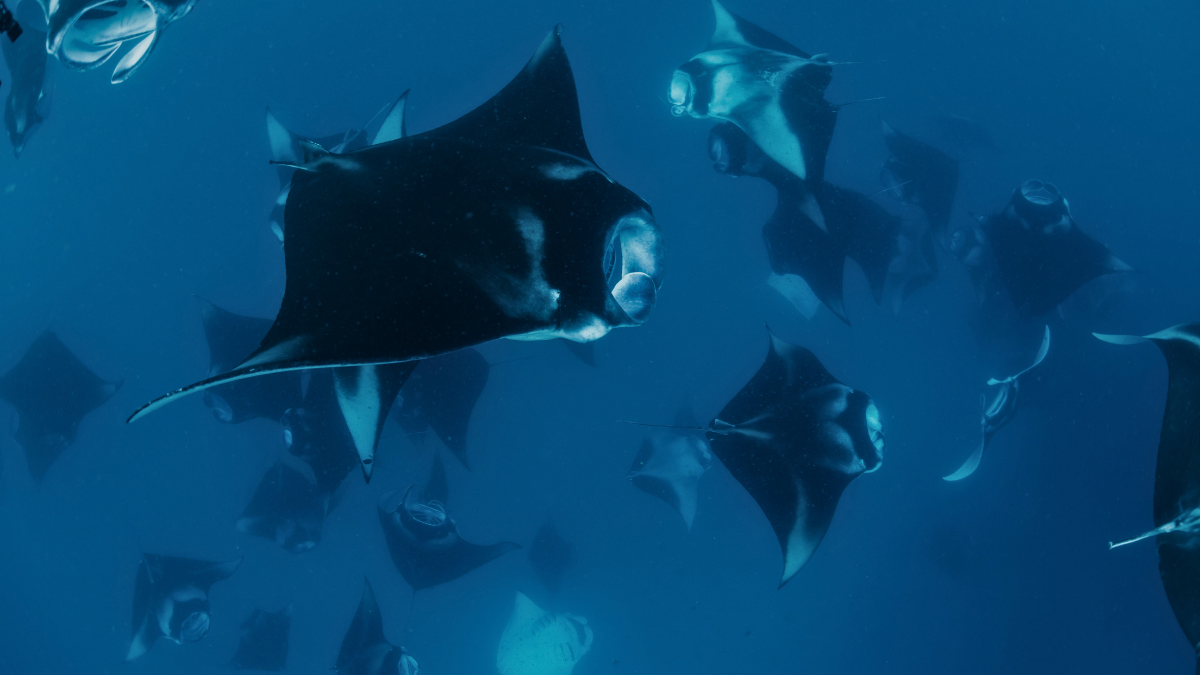
A Kona manta ray night swim is not about chasing marine life or swimming after animals. Instead, the experience is centered around observing these remarkable animals as they move naturally through the water, feeding on microscopic plankton attracted to underwater lights.
For many visitors to the Big Island, it becomes one of the most memorable parts of their Hawaii vacation.
Why Are Manta Rays Called Gentle Giants?
Manta rays are among the largest rays in the ocean, but their impressive size can be misleading.
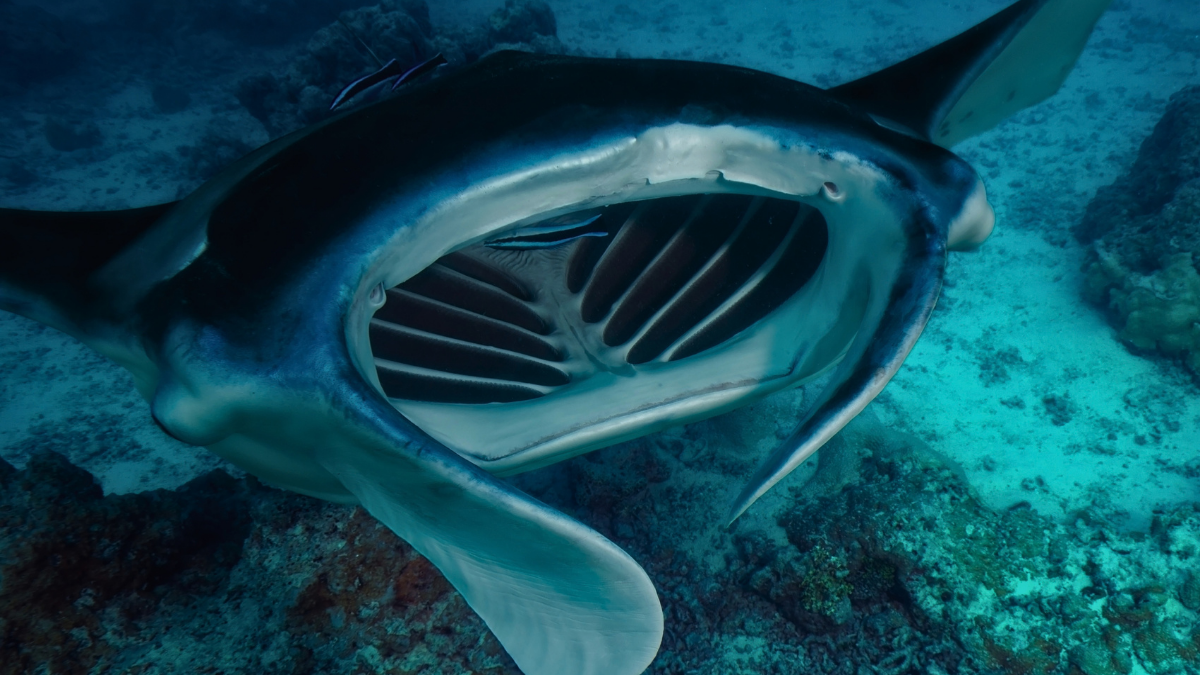
These animals are filter feeders. Rather than hunting fish or other large marine animals, manta rays feed primarily on tiny plankton suspended in the water.
Their wide mouths and specialized gill structures allow them to filter food from the water as they swim.
That means a manta ray can glide surprisingly close to swimmers while posing no interest in biting, chasing, or attacking them.
Their size may look dramatic when one passes underneath you, but their feeding behavior is generally calm and deliberate.
What Happens During a Kona Manta Ray Night Swim?
After sunset, boats head toward established manta viewing areas along the Kona coast.
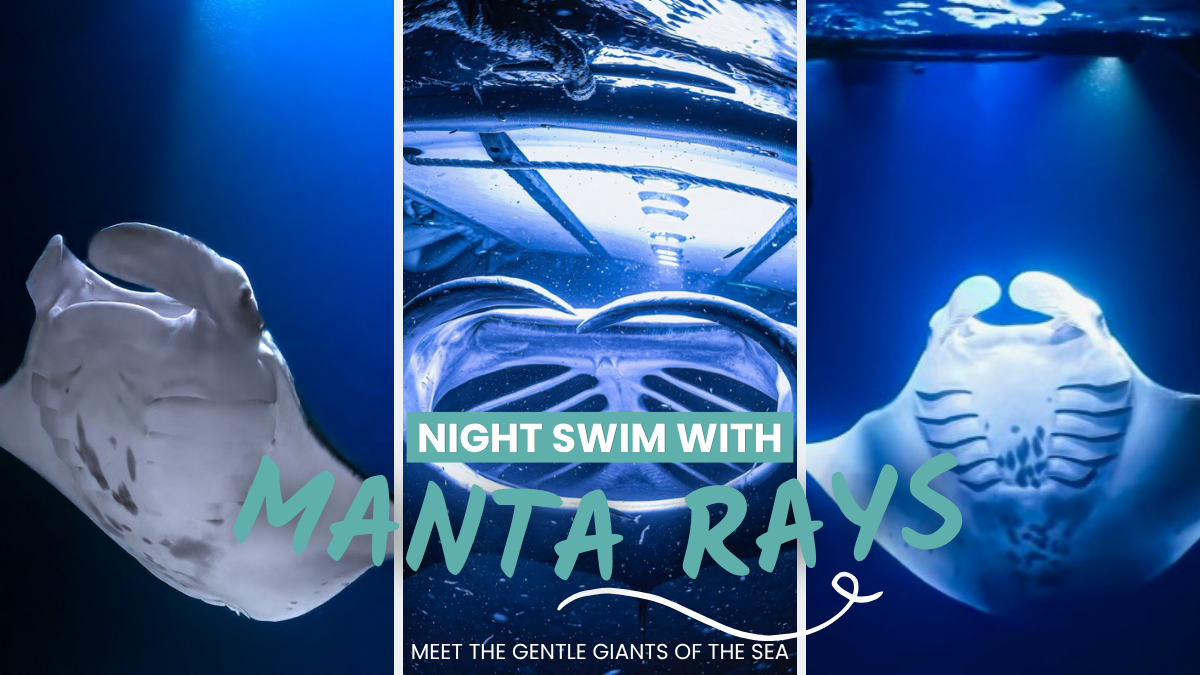
Once the boat reaches the viewing location, guests enter the water and use a floating board or similar support while looking down into the illuminated ocean.
The underwater lights attract plankton, which in turn can attract manta rays.
Instead of swimming around searching for them, guests remain in position and watch as the animals move through the feeding area.
This creates a completely different type of wildlife encounter.
You are not simply looking for a manta ray in the distance. You may watch one glide beneath you, turn through the illuminated water, and return for another pass.
Do You Have to Be a Strong Swimmer?
One of the biggest concerns first-time guests have is whether they need to be strong swimmers.
A manta ray night experience is generally designed around staying in a designated viewing area rather than actively swimming after the animals.
Guests typically use flotation support while observing the activity below.
That can make the experience feel much more manageable for people who are comfortable in the water but do not want to spend the evening swimming long distances.
As with any ocean activity, guests should follow the operator’s safety instructions and be comfortable with the conditions before entering the water.
What Does the Nighttime Ocean Feel Like?
The nighttime setting is a major part of what makes the experience different.
During the day, Hawaii’s coastline is bright, colorful, and full of activity. After sunset, the atmosphere changes completely.
The water becomes dark around you while the underwater lights create an illuminated area below.
Then a manta ray appears.
Watching a large animal move silently through the darkness can feel almost surreal. There is no need for a dramatic chase or loud interaction. The experience comes from simply being present and watching the animals do what they naturally do.
Why Do Manta Rays Come to the Lights?
The lights used during manta viewing help concentrate plankton near the surface.
Manta rays are drawn to areas where food is available, so they may repeatedly visit these feeding areas when conditions are favorable.
This is one reason the experience can be so fascinating.
You are not watching manta rays perform for visitors. You are observing a natural feeding behavior that happens to take place in an area where people can safely watch from the water.
What Should You Expect When a Manta Ray Gets Close?
This is usually the moment guests remember.
A manta ray may glide underneath the viewing area with its large pectoral fins moving slowly through the water. It may turn, circle back, or pass through the illuminated area again.
Because manta rays can be large, their proximity can initially be surprising.
The best response is to remain calm, stay in your designated position, and allow the manta to move naturally.
There is no need to reach toward it or attempt to touch it.
In fact, keeping your distance is part of responsible wildlife viewing.
Respecting the Manta Rays
A great wildlife experience starts with respecting the animals.
Manta rays should be observed rather than chased or handled. Following established viewing guidelines helps minimize disturbance and allows guests to enjoy the encounter without interfering with natural behavior.
This is especially important during a nighttime experience when visibility and conditions are different from a typical daytime snorkel.
Your guide and boat crew can provide instructions about where to position yourself, how to use the flotation equipment, and how to behave around the animals.
Is a Manta Ray Sighting Guaranteed?
No wildlife encounter can be guaranteed.
Manta rays are wild animals, and their behavior can change based on ocean conditions, food availability, weather, and other environmental factors.
Kona is known for its recurring manta activity, but that does not mean every outing will produce the exact same experience.
That unpredictability is part of responsible wildlife tourism. The goal is to observe the ocean and its wildlife without expecting the animals to perform on a schedule.
Why the Experience Is So Memorable
A manta ray night swim combines several things that are difficult to experience together: the open Pacific after dark, Hawaii’s volcanic coastline, underwater lights, and some of the ocean’s most impressive filter feeders.
But the most memorable part may be how peaceful the encounter can feel.
There is no need to chase the manta rays.
You simply float, look down, and watch.
For first-time visitors, that quiet moment when a manta ray suddenly appears beneath the surface can turn an already memorable Hawaii vacation into something truly special.
Experience a Kona Manta Ray Night Swim
Ready to experience the nighttime ocean for yourself?
Explore Sunlight on Water’s manta ray tours to learn more about available Kona ocean experiences and discover how you can experience Hawaii’s manta rays from the water.
Ready to meet Kona’s Gentle Giants?
Explore the available Sunlight on Water tours and plan your manta ray experience on the Big Island.


