Kona Manta Ray Tour October: Why It’s the Best Time to Go
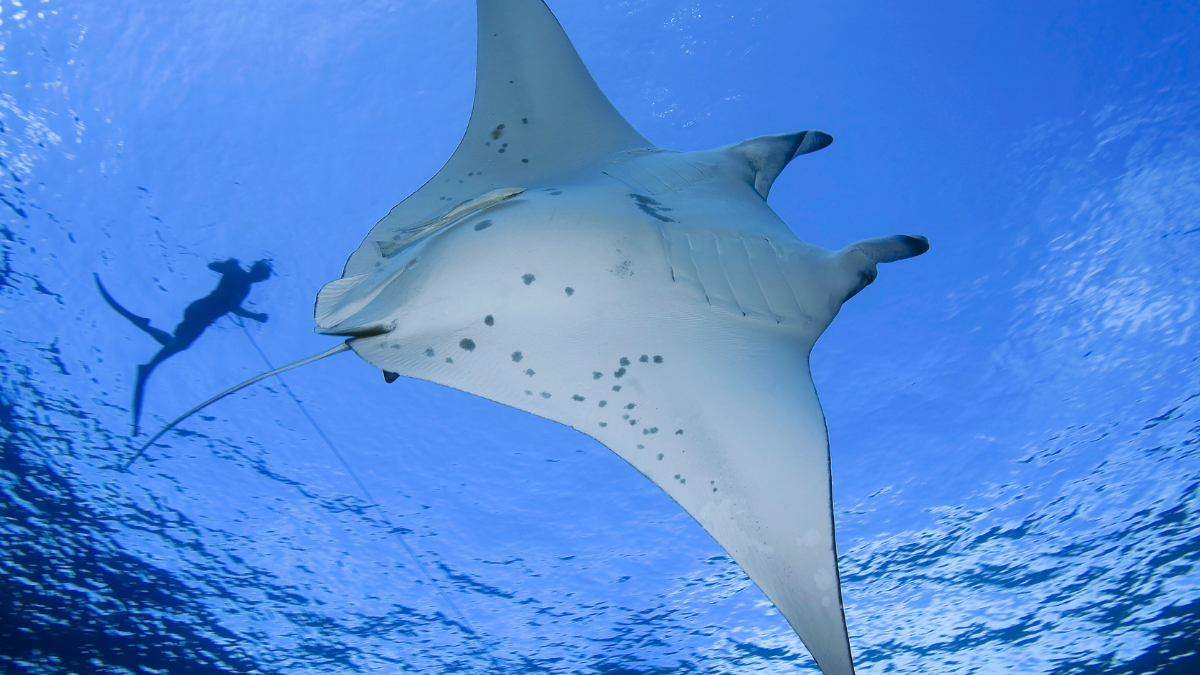
If you’re planning a fall trip to Hawaii’s Big Island, a Kona manta ray tour belongs near the top of your itinerary. Swimming beneath the stars while manta rays glide through the illuminated water is one of the most memorable ways to experience Kona’s coastline after sunset.
And while manta ray encounters are available throughout the year, October can be an especially appealing time to book a Kona manta ray tour. The month sits between the busier summer travel period and the changing conditions that can arrive later in the year, while Kona’s warm ocean temperatures make an evening on the water comfortable and inviting.
Here’s what makes October worth considering when planning your manta ray adventure.
October Brings a Comfortable Shoulder-Season Feel
October falls within a transition period for Hawaii travel. The peak summer vacation period has eased, but the island is still enjoying warm weather and inviting ocean conditions.
For manta ray guests, that can mean a more relaxed overall experience.
A nighttime manta snorkel already has a peaceful rhythm: you leave the harbor around sunset, watch the Kona coastline change colors as daylight fades, and eventually enter the water beneath the night sky. Choosing a time of year with a little less seasonal travel pressure can make the entire evening feel even more unhurried.
It’s also a good reason to plan your manta experience early in your trip. If weather or ocean conditions require a change to your plans, having additional days remaining on the island may give you more flexibility to reschedule.
Warm Kona Water Makes October Comfortable for an Evening Snorkel
One of the biggest advantages of visiting Hawaii in October is that the ocean remains warm.
Kona’s coastal waters can remain around the upper 70s°F during this part of the year, making a nighttime snorkel much more inviting than many first-time visitors might expect.
Of course, once you leave the water, the experience can feel different. Evening air, ocean breezes, and a wet swimsuit can make you feel cooler than expected, which is why bringing a light jacket, windbreaker, or warm layer is a smart addition to your manta tour packing list.
Sunlight on Water also recommends bringing what you need to stay comfortable before and after your time in the water. The goal is to enjoy the entire evening—not just the moments when the manta rays appear.
Kona’s Leeward Coast Can Offer Favorable Ocean Conditions
Kona is located along the Big Island’s leeward western coast, which is known for generally sheltered ocean conditions compared with more exposed areas of Hawaii.
For a manta ray tour, comfortable conditions can make a difference.
A calmer evening can mean a smoother boat ride, a more comfortable transition into the water, and better conditions for spending time floating at the surface while watching the manta rays feed below.
Ocean conditions are never something a tour operator can completely control, however. Wind, swell, visibility, and other factors can change from day to day. That’s why the specific conditions on your tour date matter more than any general seasonal prediction.
The experienced crew at Sunlight on Water evaluates conditions as part of planning the evening, helping create an experience that is centered on guest comfort and the ocean environment.
October Is Still a Great Time for Kona’s Resident Manta Rays
One of the reasons Kona has become famous for manta ray encounters is the area’s established nighttime feeding experience.
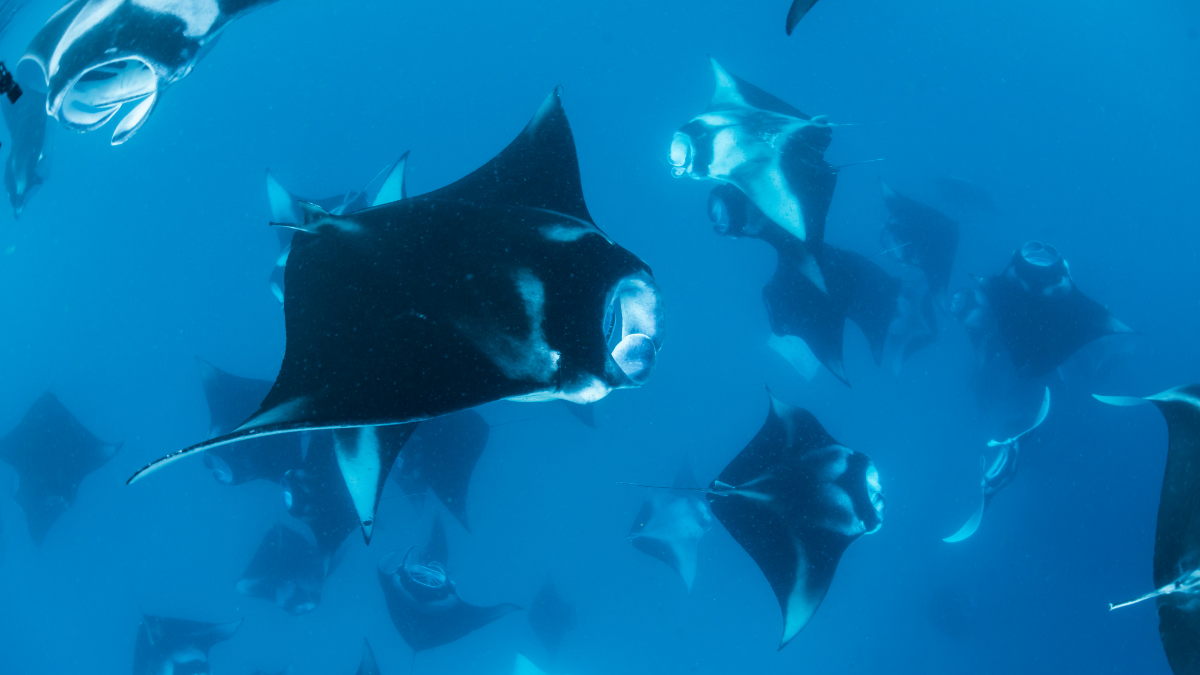
After sunset, underwater lights illuminate the water and attract plankton. Manta rays then move through these concentrated areas of food, using their filter-feeding adaptations to collect tiny organisms from the water.
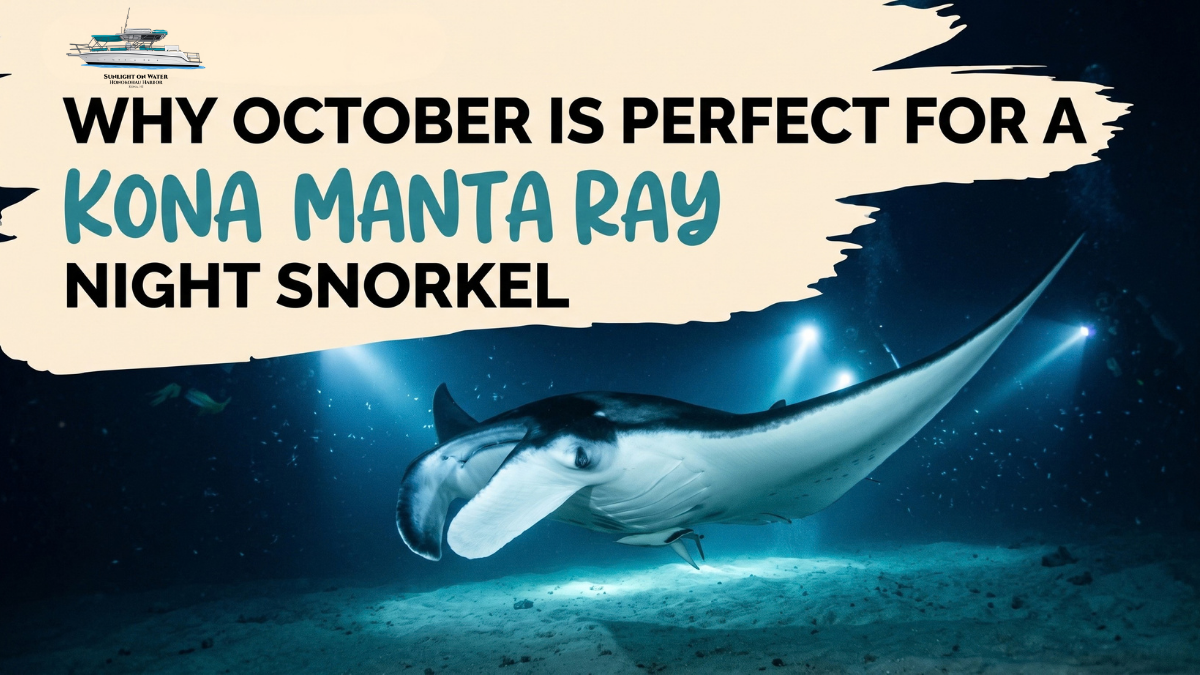
The result is the unforgettable experience commonly known as the Kona manta ray night snorkel.
While no responsible operator can guarantee a specific wildlife sighting on any given night, manta rays are encountered in Kona throughout the year. Conditions, animal behavior, and feeding activity can vary, so every evening remains a natural wildlife experience rather than a scripted show.
That unpredictability is part of what makes seeing these enormous animals in their natural environment so special.
Manta Village, Manta Heaven, and Conditions-Based Planning
Kona is known for multiple manta viewing areas, including the locations commonly referred to as Manta Village and Manta Heaven.
Which location is used can depend on the tour operator, departure point, ocean conditions, and the evening’s itinerary.
For Sunlight on Water, the focus is on creating a comfortable and memorable experience rather than treating every night exactly the same. The company’s current private charter offering also emphasizes customizable itineraries and planning around each group’s interests and conditions.
Explore Sunlight on Water’s Kona manta ray and ocean tours
This flexibility can be particularly valuable for travelers who want their Kona experience to include more than simply arriving at a snorkel site and returning to shore.
Why Book Your Manta Tour Early in Your Trip?
Even if October offers more flexibility than some peak travel periods, it’s still smart to plan your manta ray experience early in your Big Island vacation.
There’s a practical reason for this.
Ocean activities are weather-dependent. If your scheduled evening has unfavorable conditions or circumstances require a change, having several vacation days remaining gives you more room to adjust your plans.
Booking early can also make it easier to coordinate your manta experience with the rest of your Hawaii itinerary, especially if you have other tours, dinners, excursions, or special events already planned.
Think of your manta ray tour as one of the anchor experiences of your Kona trip rather than something to squeeze into the final evening.
What to Bring for an October Manta Ray Tour
October’s warm water is only part of the equation. Remember that you’ll be spending time on a boat after sunset, so packing for both the water and the evening air is important.
Consider bringing:
- A light jacket or windbreaker
- A warm sweatshirt or fleece
- Two towels if your tour operator recommends them
- A swimsuit
- Reef-friendly personal care products
- A waterproof phone or camera setup if appropriate
- Any personal medications you may need
- Comfortable clothing for the ride back to shore
Sunlight on Water’s current tour information also recommends bringing a light jacket or sweatshirt for its sunset cruise and manta ray watch experience.
Make October Part of Your Kona Ocean Adventure
A Kona manta ray tour in October combines several things travelers look for in a Big Island vacation: warm Pacific water, beautiful Kona sunsets, nighttime wildlife encounters, and the opportunity to experience one of Hawaii’s most distinctive marine adventures.
The biggest advantage isn’t that October guarantees a perfect evening—no month can promise that. It’s that October can provide a comfortable combination of warm water, seasonal travel conditions, and the year-round opportunity to experience Kona’s manta rays.
And the experience begins before you ever enter the water.
From cruising along the Kona coastline at sunset to watching the first manta rays appear beneath the lights, the entire evening becomes part of the adventure.
Plan Your Kona Manta Ray Experience
Ready to experience Kona after dark?
Explore Sunlight on Water’s manta ray and private ocean experiences and find the adventure that fits your Hawaii itinerary.
Explore Sunlight on Water’s Kona tours
For travelers looking for a more personalized experience, Sunlight on Water also offers a customizable private charter with flexible timing and itinerary options for groups and special occasions.
Whether you’re visiting the Big Island for the first time or returning for another Hawaiian adventure, October is a beautiful time to get out on the Kona coast and experience the manta rays beneath the stars.


